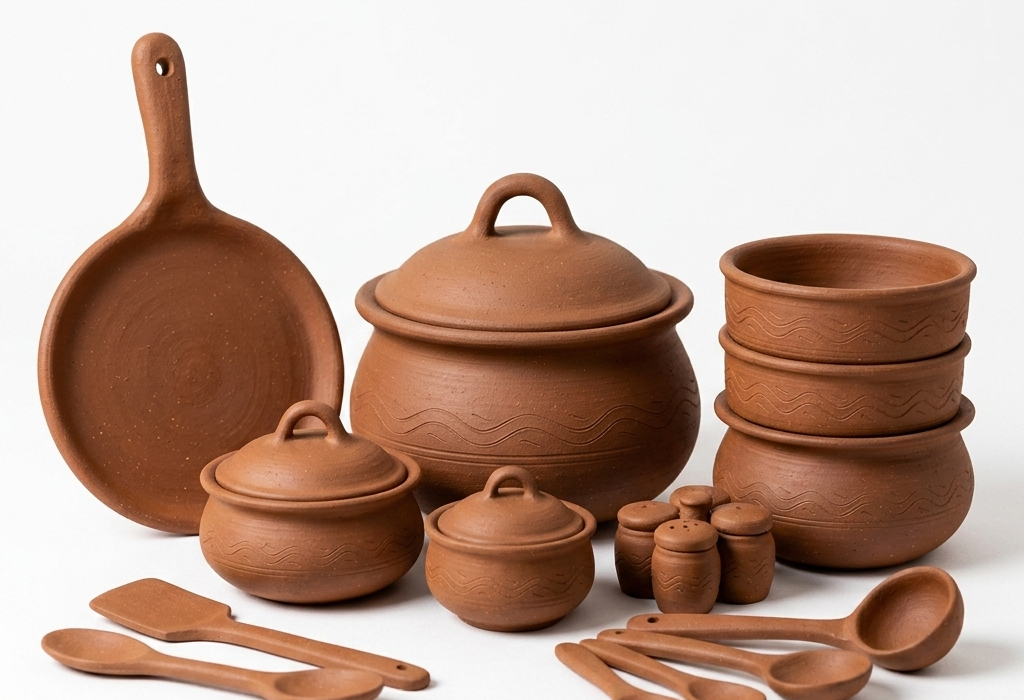
Benefits of Cooking in Clay Pots: Why Mitti Ke Bartan Are Still Popular
Cooking has changed dramatically over the years. Modern kitchens now have stainless steel, aluminum, non-stick, cast iron and other types of cookware. Yet, Mitti Ke Bartan (clay cookware) continue to hold a special place in traditional Pakistani and South Asian cooking.
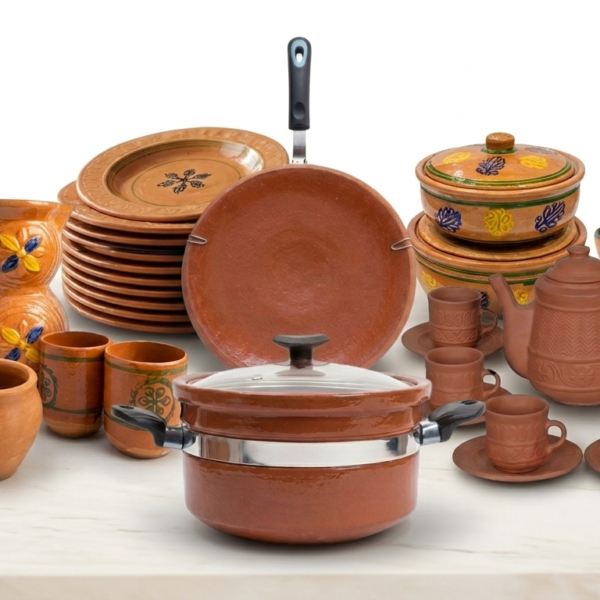
From Mitti Ki Handi and clay pots to traditional serving bowls, clay cookware brings a unique combination of traditional cooking, natural materials and beautiful presentation to the kitchen.
But what makes cooking in clay pots different? And why are more people bringing Mitti Ke Bartan back into their modern kitchens?
Let’s explore the benefits of cooking in clay pots and how you can use them properly.
What Are Clay Pots?
Clay pots are cookware made primarily from natural clay that is shaped and fired at high temperatures.
Traditionally, clay cookware has been used for generations across South Asia and many other parts of the world. In Pakistan, Mitti Ke Bartan are especially associated with traditional dishes such as curries, daal, rice dishes and slow-cooked meals.
Depending on the product, clay cookware may have a natural unglazed surface or a glazed finish. Each type has different characteristics and care requirements.
1. Clay Cookware Provides Gentle, Even Cooking
One of the main characteristics of clay cookware is the way it handles heat.
Clay generally heats more gradually than many thin metal cookware pieces. This makes it particularly suitable for dishes that benefit from steady cooking rather than sudden, intense heat.
When used correctly, a clay pot can help maintain a consistent cooking environment for dishes such as:
- Daal
- Curries
- Stews
- Rice dishes
- Vegetables
- Slow-cooked meat dishes
This gentle cooking style is one reason Mitti Ki Handi has remained popular in traditional kitchens.
2. Clay Pots Help Create a Traditional Cooking Experience
Food is not only about ingredients. The cooking method can also contribute to the overall experience.
Cooking in a traditional clay pot brings an authentic, old-fashioned feel to the kitchen. For many families, Mitti Ke Bartan remind them of traditional Pakistani cooking and the meals prepared by previous generations.
A clay handi can also make everyday meals feel more special when it is brought directly from the kitchen to the dining table.
3. Clay Cookware Can Be Excellent for Slow-Cooked Dishes
Many traditional dishes benefit from slower cooking.
Instead of relying on very high heat, clay cookware can be used for recipes where ingredients are allowed to cook gradually and develop their flavors over time.
For example, you can use a suitable clay handi for:
- Chicken curry
- Mutton curry
- Daal
- Vegetable curry
- Rice dishes
- Stews
- Other slow-cooked recipes
Always follow the manufacturer’s instructions for your specific clay cookware, particularly regarding heat levels and temperature changes.
4. Clay Pots Add Character to Food Presentation
One of the biggest advantages of Mitti Ke Bartan is that they can go from the kitchen to the dining table.
A beautifully crafted clay handi can make a traditional dish look more appealing without requiring complicated serving arrangements.
This makes clay cookware useful for both:
Cooking + Serving
A traditional clay pot can add warmth and character to family dinners, gatherings and special occasions.
5. Clay Cookware Brings Traditional Style to a Modern Kitchen
You don’t need a traditional kitchen to enjoy clay cookware.
Modern kitchens can combine contemporary appliances and countertops with traditional cookware such as a clay handi, clay tawa or serving bowls.
This combination of traditional craftsmanship and modern kitchen design is one reason clay cookware is becoming interesting again for today’s home cooks.
6. Different Types of Clay Cookware Have Different Uses
“Mitti Ke Bartan” is a broad category. Different clay products are designed for different cooking and serving purposes.
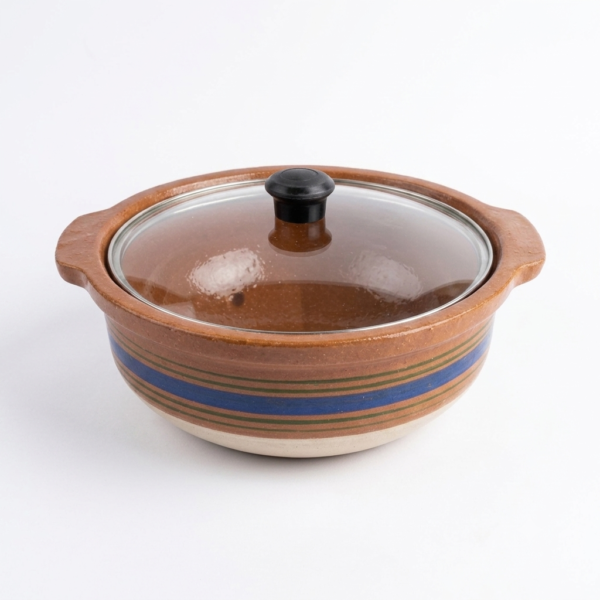
Clay Handi
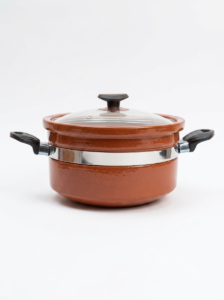
A Mitti Ki Handi is commonly used for curries, daal, rice and other dishes that benefit from gradual cooking.
Clay Tawa
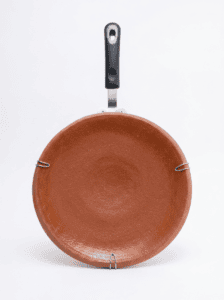
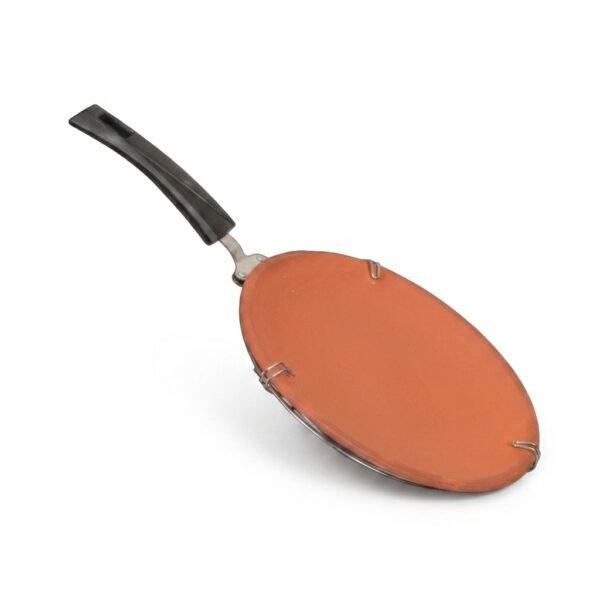
A clay tawa can be used for traditional flatbread preparation, depending on the product design and manufacturer’s instructions.
Clay Karahi
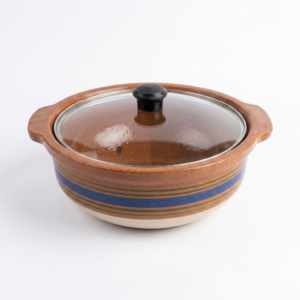
A clay karahi provides a traditional way to prepare and serve a variety of Pakistani dishes.
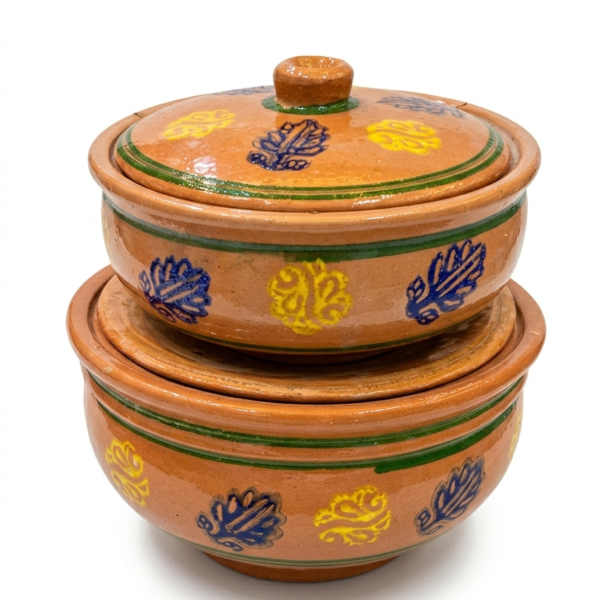
Clay Serving Bowls
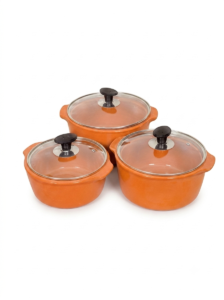
Clay serving bowls can be used to present daal, curries, rice and other foods with a traditional aesthetic.
Choosing the right clay cookware depends on the type of food you prepare and how you intend to use the product.
7. Glazed vs Non-Glazed Clay Cookware
Not all clay cookware is the same.
Glazed Clay Cookware
Glazed clay cookware has a specially finished surface that can make the cookware easier to clean and gives it a smoother appearance.
For example, a Flat Bottom Glazed Clay Handi can be a practical option for people who want the traditional appearance of clay cookware while using it in a modern kitchen.
Non-Glazed Clay Cookware
Unglazed or non-glazed clay cookware has a more natural clay surface and is closer in appearance to traditional earthenware.
Because the surfaces and manufacturing methods differ, always follow the care instructions provided with the specific product.
8. How to Use Clay Pots Safely
Clay cookware requires appropriate handling.
The most important rule is to avoid sudden and extreme temperature changes unless the manufacturer specifically states that the cookware is designed for them.
For example:
- Do not place a cold clay pot directly onto very high heat.
- Avoid sudden temperature changes.
- Use the heat level recommended for your cookware.
- Handle hot cookware carefully.
- Allow the cookware to cool appropriately before washing.
- Follow the manufacturer’s specific instructions.
Proper use can help maintain the cookware and reduce the risk of thermal shock.
9. How to Clean Clay Cookware
Cleaning requirements depend on whether the clay cookware is glazed or unglazed.
For many glazed clay products, gentle washing with a soft sponge and mild dishwashing soap may be appropriate.
For unglazed clay cookware, follow the manufacturer’s cleaning instructions carefully because the porous surface may require different treatment.
Avoid aggressive scrubbing that could damage the surface.
Most importantly, allow cookware to dry properly before storing it.
10. Can Clay Cookware Be Used in a Modern Kitchen?
Yes, clay cookware can be part of a modern kitchen when the product is designed for the intended cooking method and used according to its instructions.
Modern kitchens can combine clay cookware with:
- Gas stoves
- Modern countertops
- Contemporary kitchen appliances
- Modern serving styles
- Traditional Pakistani recipes
The result is a kitchen where traditional cooking culture meets modern lifestyle.
Why Choose NIA CLAY?
At NIA CLAY, our goal is to bring the beauty of traditional clay craftsmanship into modern homes.
Our collection includes clay cookware and serving products designed for people who appreciate the character, appearance and tradition of Mitti Ke Bartan.
From clay handis and karahis to tawas and serving bowls, NIA CLAY offers different options for bringing traditional clayware into your kitchen.
Whether you’re preparing a traditional Pakistani meal or simply want something different from conventional cookware, clay products can add a distinctive touch to your cooking and presentation.
Frequently Asked Questions About Cooking in Clay Pots
Are clay pots good for cooking?
Clay pots can be excellent for dishes that benefit from gradual, steady cooking. Their heat behavior is different from many metal cookware products, so they should be used according to the manufacturer’s instructions.
Can I cook curry in a clay handi?
Yes, a suitable clay handi can be used for curry and other traditional dishes when the product is designed for cooking and used according to its care instructions.
Are all clay pots the same?
No. Clay cookware can differ in clay composition, firing method, glaze, thickness, shape and intended use. Always check the instructions for the specific product.
What is the difference between glazed and unglazed clay cookware?
Glazed clay cookware has a finished surface, while unglazed cookware retains a more natural clay surface. Their cleaning and care requirements can also differ.
Can clay cookware be used on a gas stove?
This depends on the specific product. Only use clay cookware on a gas stove if the manufacturer states that it is suitable for that heat source.
How should I clean a clay pot?
Cleaning depends on the type of clay cookware. Glazed and unglazed products may have different requirements, so follow the care instructions supplied with your cookware.
Can clay cookware be used for Pakistani food?
Absolutely. Clay cookware has a long association with traditional South Asian cooking and can be suitable for dishes such as daal, curries, rice and other slow-cooked meals when used correctly.
Final Thoughts
The popularity of Mitti Ke Bartan comes from more than nostalgia. Clay cookware offers a distinctive cooking experience, traditional appearance and beautiful presentation that can fit surprisingly well into a modern kitchen.
If you enjoy traditional Pakistani food and appreciate handcrafted kitchenware, adding a suitable clay handi, karahi, tawa or serving bowl to your kitchen can be a great way to reconnect with traditional cooking.
Explore the NIA CLAY collection and discover clay cookware designed to bring traditional style into modern kitchens.
NIA CLAY — Traditional Craft. Modern Kitchen.
Leave a Reply