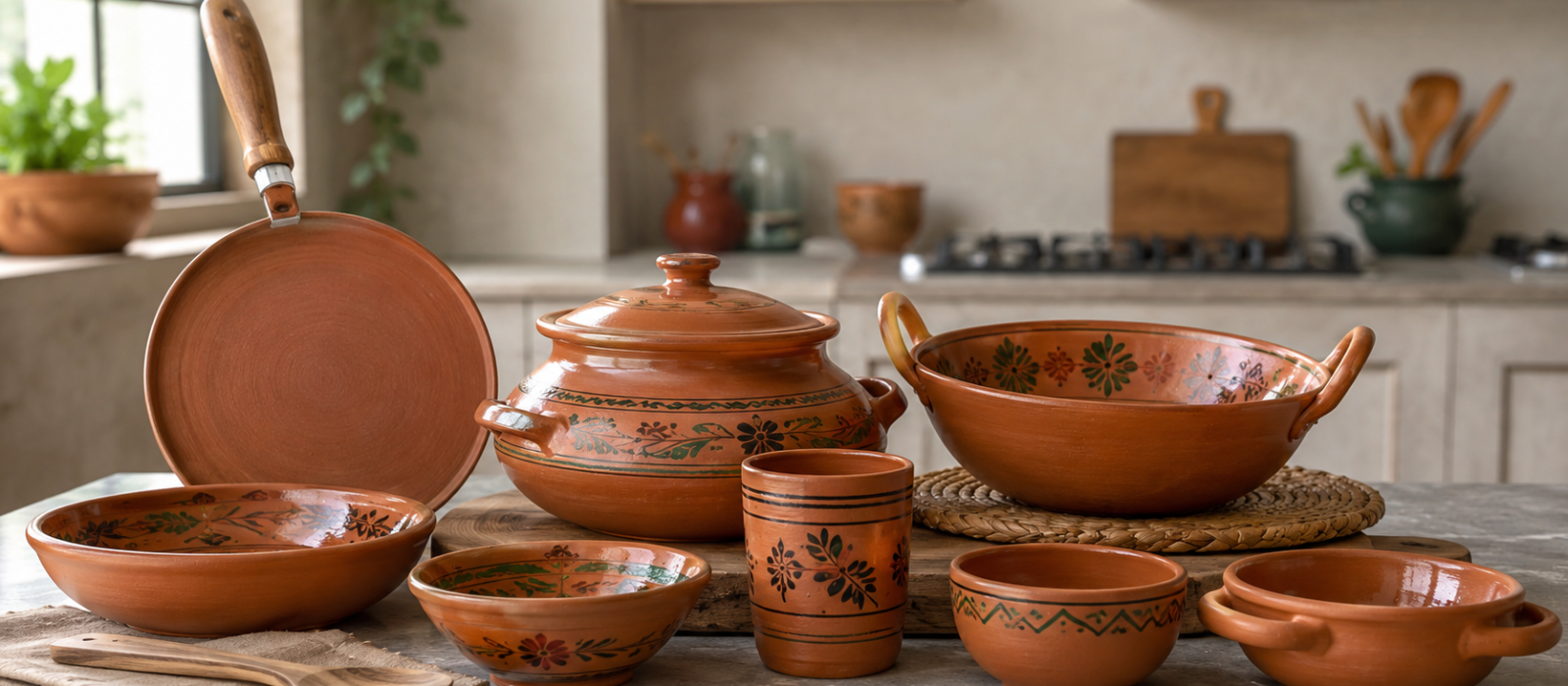
Mitti Ke Bartan: Complete Guide to Clay Cookware in Pakistan
Mitti ke bartan have been part of South Asian kitchens for generations. Before modern cookware became common, families cooked and served food in traditional clay pots, handis, tawas and other earthenware.
Today, mitti ke bartan are becoming popular again.
People are looking for ways to bring traditional cooking into modern kitchens, and clay cookware offers a beautiful connection between traditional Pakistani food culture and contemporary cooking.
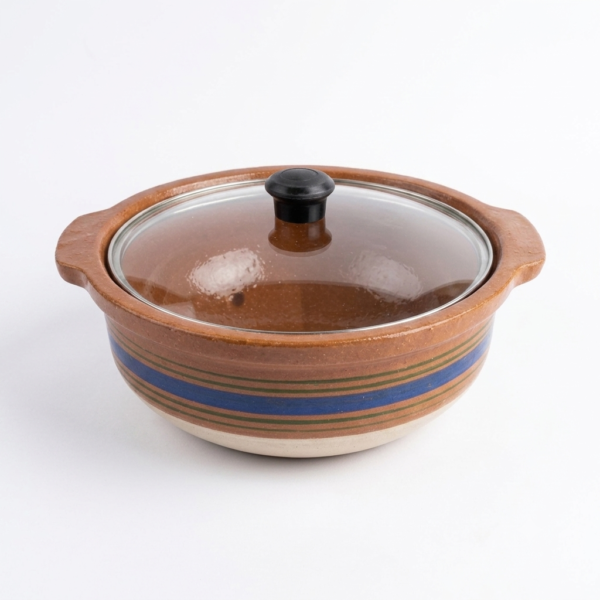
From mitti ki handi and mitti ka tawa to clay karahi and serving bowls, there are many different types of clay cookware available today.
But what exactly are mitti ke bartan, and how do you choose the right ones for your kitchen?
Let’s explore everything you need to know.
What Are Mitti Ke Bartan?
The phrase mitti ke bartan literally refers to utensils, pots and cookware made from clay.
The clay is shaped into the required form and then fired at high temperatures to create a usable ceramic or terracotta product.
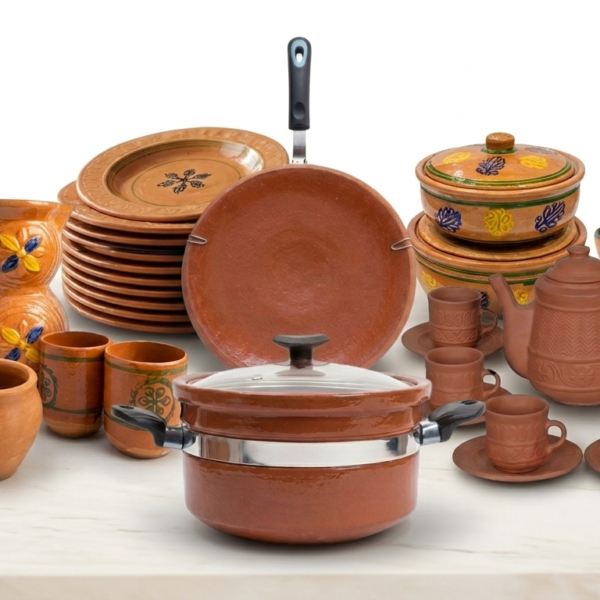
Traditional mitti ke bartan can include:
- Mitti ki handi
- Mitti ka tawa
- Mitti ki karahi
- Clay cooking pots
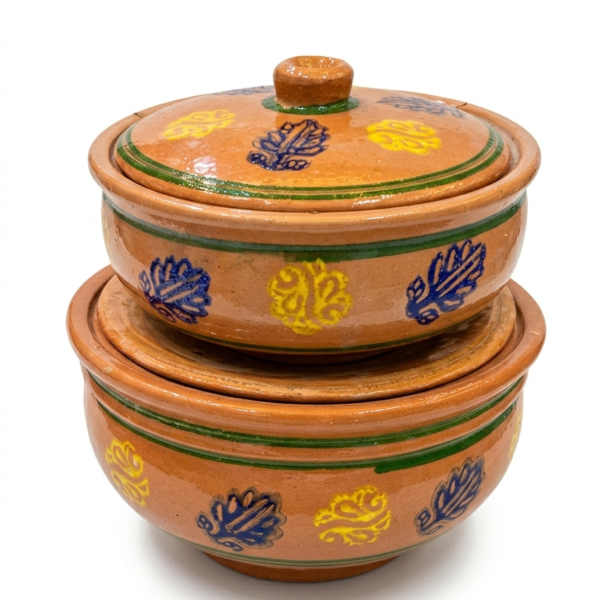
- Clay serving bowls
- Clay plates
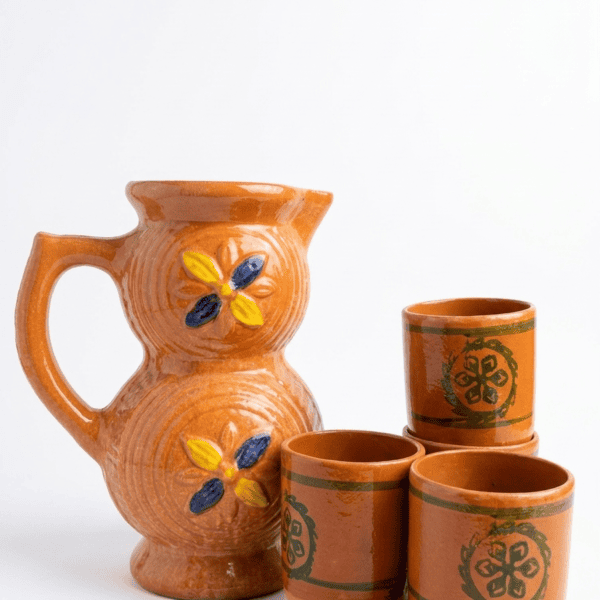
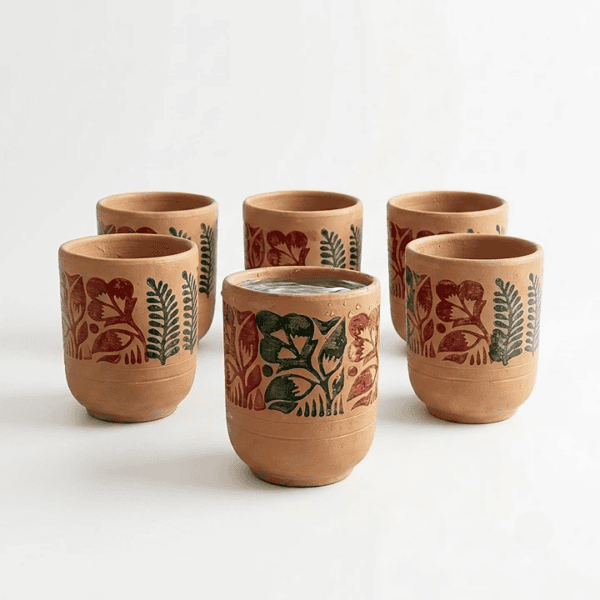
- Clay cups and mugs
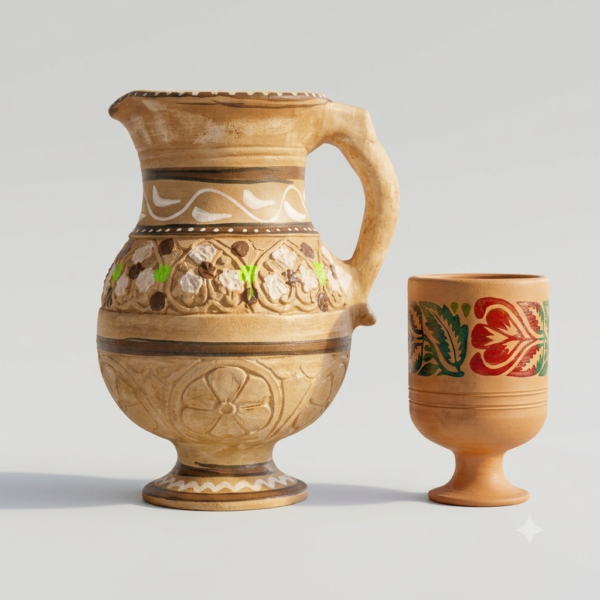
- Clay jugs and drinkware
Different products are designed for different purposes, so it is important to select cookware according to how you plan to use it.
Why Are Mitti Ke Bartan Popular Again?
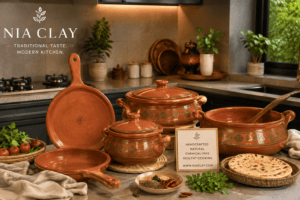
Modern kitchens are filled with stainless steel, aluminium and non-stick cookware.
However, many Pakistani families still appreciate traditional cooking methods because food, culture and memories are closely connected.
Mitti ke bartan bring an earthy and traditional character to cooking.
They can also make the cooking and serving experience feel more special.
For people who enjoy Pakistani dishes such as daal, curry, biryani, roti and karahi, clay cookware can be an interesting way to reconnect with traditional kitchenware.
Types of Mitti Ke Bartan
There is no single type of mitti ka bartan.
Different clay products serve different purposes.
1. Mitti Ki Handi
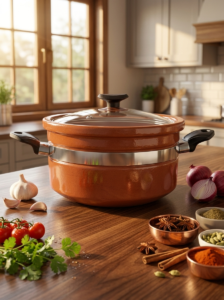
A mitti ki handi is one of the most recognizable traditional clay cooking vessels.
It is commonly associated with dishes such as:
- Biryani
- Daal
- Curries
- Rice dishes
- Stews
- Slow-cooked meals
Its traditional shape also makes it attractive enough for serving certain dishes directly at the table.
If you enjoy traditional Pakistani cooking, a clay handi can be a valuable addition to your kitchen.
2. Mitti Ka Tawa
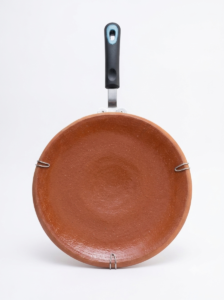
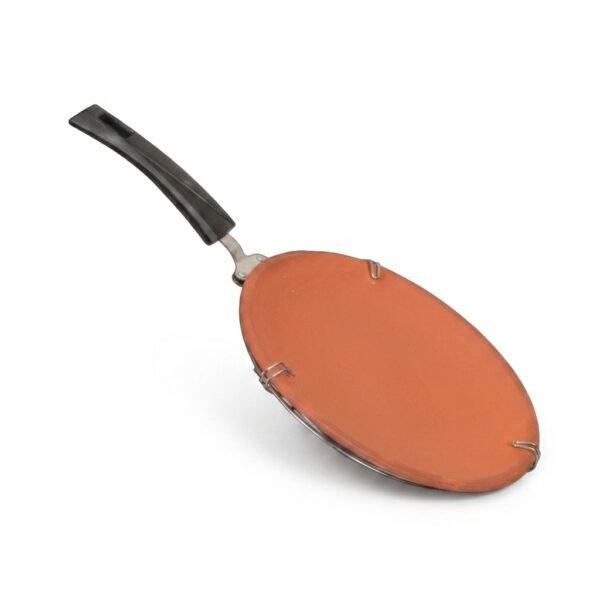
A mitti ka tawa is designed for foods such as roti and other flatbreads.
Roti is an important part of many Pakistani meals, which makes the tawa one of the most useful pieces of cookware for households that regularly prepare flatbreads.
When buying a clay tawa, always check whether the specific product is designed for your stove and follow the manufacturer’s heating and care instructions.
For example, NIA CLAY offers a glazed clay tawa designed to bring the traditional clay cooking experience into a modern kitchen.
3. Mitti Ki Karahi
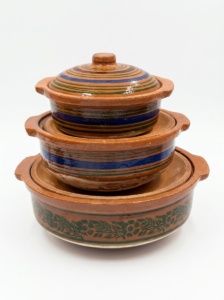
A mitti ki karahi brings traditional clay cookware into one of Pakistan’s most loved cooking styles.
Karahi dishes, curries and other recipes can be prepared in a clay karahi when the specific cookware is designed for that purpose.
Clay karahis are also visually attractive and can add a traditional touch to food presentation.
4. Clay Serving Bowls
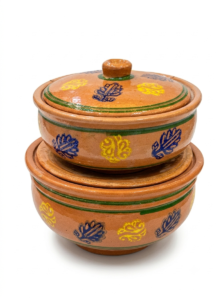
Mitti ke bartan are not limited to cooking.
Clay serving bowls can be used to present food at the dining table.
Daal, curries, rice dishes and other foods can be served in clay bowls, giving the table an earthy and traditional appearance.
This is particularly useful for people who want their kitchen and dining experience to have a handcrafted character.
Mitti Ke Bartan and Modern Kitchens
Traditional does not necessarily mean old-fashioned.
Modern clay cookware can be designed with contemporary shapes, smooth finishes and practical features that fit naturally into today’s kitchens.
This is where clay cookware and traditional mitti ke bartan come together.
A modern Pakistani kitchen can include stainless steel appliances and modern countertops while still using a clay tawa, handi, karahi or serving bowl.
The result is a combination of modern convenience and traditional character.
Glazed vs Unglazed Mitti Ke Bartan
When shopping for mitti ke bartan, you may come across both glazed and unglazed products.
Unglazed Clay
Unglazed clay has a natural, earthy appearance.
It is often associated with traditional terracotta cookware and has a more rustic look.
Glazed Clay
Glazed clay cookware has a smooth finished surface created through the glazing and firing process.
The exact properties of a glazed product depend on the materials and manufacturing process used by the manufacturer.
If you are buying glazed mitti ke bartan, always check the manufacturer’s specifications and instructions regarding food use, heating, cleaning and care.
The important thing is not simply whether cookware is glazed or unglazed, but whether the particular product is properly manufactured and intended for the way you plan to use it.
How to Choose Mitti Ke Bartan
Choosing the right mitti ke bartan starts with your cooking habits.
Think About What You Cook
If you regularly make roti, start with a clay tawa.
If you enjoy biryani, daal or slow-cooked dishes, a clay handi may be more useful.
If karahi and curry dishes are common in your home, consider a clay karahi.
If you want traditional food presentation, clay serving bowls can be a great option.
Check the Product Specifications
Before purchasing clay cookware, check:
- What type of cooking it is designed for
- Compatible stove type
- Recommended heat level
- Whether it is glazed or unglazed
- Recommended cleaning method
- First-use instructions
- Maximum recommended temperature, if specified
Different clay cookware products can have different requirements, so never assume that all clay cookware should be used in exactly the same way.
How to Use Mitti Ke Bartan
Clay cookware requires appropriate handling.
Follow the instructions provided with your particular product.
As a general principle, avoid sudden and extreme temperature changes because clay and ceramic materials can crack from thermal shock.
Always use the heat level recommended by the manufacturer.
If your cookware requires seasoning or special preparation before its first use, complete those instructions before cooking.
Allow hot cookware to cool appropriately before cleaning or placing it on a cold surface.
How to Clean Mitti Ke Bartan
Cleaning requirements depend on whether the product is glazed or unglazed.
Always follow the manufacturer’s specific instructions.
For general care:
- Allow cookware to cool before cleaning.
- Use gentle cleaning methods.
- Avoid hitting or dropping clay cookware.
- Avoid sudden temperature changes.
- Dry cookware properly after washing.
- Store it carefully to prevent chips and cracks.
If the manufacturer provides specific cleaning instructions, those instructions should always take priority.
Are Mitti Ke Bartan Good for Pakistani Cooking?
Mitti ke bartan can be particularly appealing for Pakistani cooking because many traditional Pakistani recipes are strongly connected with clay cookware and traditional preparation methods.
Think about dishes such as:
Daal + clay handi
Roti + clay tawa
Karahi + clay karahi
Rice dishes + clay handi
Curries + clay serving bowls
This combination brings traditional cookware into everyday Pakistani meals.
Mitti Ke Bartan vs Modern Cookware
There is no single cookware material that is perfect for every kitchen.
Steel, aluminium, cast iron, ceramic and clay cookware all have different characteristics.
The right choice depends on your recipe, cooking method, maintenance preferences and the manufacturer’s specifications.
Mitti ke bartan are especially attractive to people who value:
- Traditional cooking
- Handcrafted products
- Earthy aesthetics
- Pakistani food culture
- Traditional food presentation
- A connection with heritage
Instead of replacing every piece of cookware in your kitchen, you can start by adding one or two clay products that match your cooking style.
Why Choose NIA CLAY for Mitti Ke Bartan?
At NIA CLAY, our goal is to bring the traditional beauty of clay cookware into modern Pakistani homes.
Our collection includes handcrafted clay cookware and serving products designed for people who appreciate traditional materials, distinctive designs and beautiful kitchenware.
From clay tawas and karahis to serving bowls, NIA CLAY brings together traditional clay craftsmanship and modern kitchen aesthetics.
If you are looking for mitti ke bartan in Pakistan, explore the NIA CLAY collection and choose the products that fit your kitchen and cooking style.
Start With One Piece
You do not need to completely change your kitchen to experience mitti ke bartan.
Start with one product.
If you love making roti, try a clay tawa.
If you enjoy traditional curries and rice dishes, consider a clay handi.
If karahi is a family favorite, explore a clay karahi.
And if presentation matters to you, add handcrafted clay serving bowls to your dining collection.
Over time, you can build a complete collection of clay cookware that combines traditional Pakistani cooking with the look and feel of a modern kitchen.
Final Thoughts
Mitti ke bartan are more than just traditional kitchen utensils.
They represent a connection between food, craftsmanship, culture and generations of cooking traditions.
Today, clay cookware is finding its place in modern Pakistani kitchens because people are rediscovering the beauty of traditional materials.
Whether you choose a mitti ki handi, mitti ka tawa, mitti ki karahi or clay serving bowl, choose a product that is suitable for your intended use and always follow the manufacturer’s care and heating instructions.
If you are ready to bring a traditional touch to your kitchen, explore the NIA CLAY collection and discover handcrafted clay cookware designed for modern homes.
Frequently Asked Questions About Mitti Ke Bartan
What are mitti ke bartan?
Mitti ke bartan are cookware, utensils and serving dishes made from clay. They include traditional products such as clay handis, tawas, karahis, bowls and cups.
What is mitti ki handi used for?
Mitti ki handi can be used for cooking dishes such as rice, curries, daal and other recipes when the particular product is designed for cooking.
What is a mitti ka tawa used for?
A mitti ka tawa is primarily used for preparing flatbreads such as roti, depending on the product’s specifications and recommended cooking method.
Are all mitti ke bartan suitable for cooking?
No. Some clay products are designed for cooking, while others are designed for serving or decoration. Always check the product description before use.
Can mitti ke bartan be used on a gas stove?
Some clay cookware is designed for gas-stove use, while others may not be. Check the manufacturer’s instructions for the specific product before using it on a gas stove.
Are glazed mitti ke bartan different from unglazed ones?
Yes. Glazed clay cookware has a smooth glazed surface, while unglazed clay has a more natural earthen surface. Their care and usage requirements can differ.
How should mitti ke bartan be cleaned?
Cleaning depends on the product. Follow the manufacturer’s instructions and avoid sudden temperature changes and rough handling.
Where can I buy mitti ke bartan in Pakistan?
You can explore handcrafted clay cookware and serving products from NIA CLAY through the official NIA CLAY website.
Can mitti ke bartan be used in a modern kitchen?
Absolutely. Modern clay cookware can combine traditional materials and designs with contemporary kitchen environments. The important consideration is whether the specific product is suitable for your cooking method and stove.
Leave a Reply